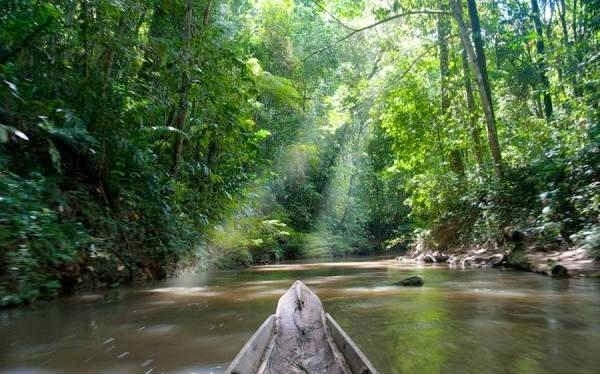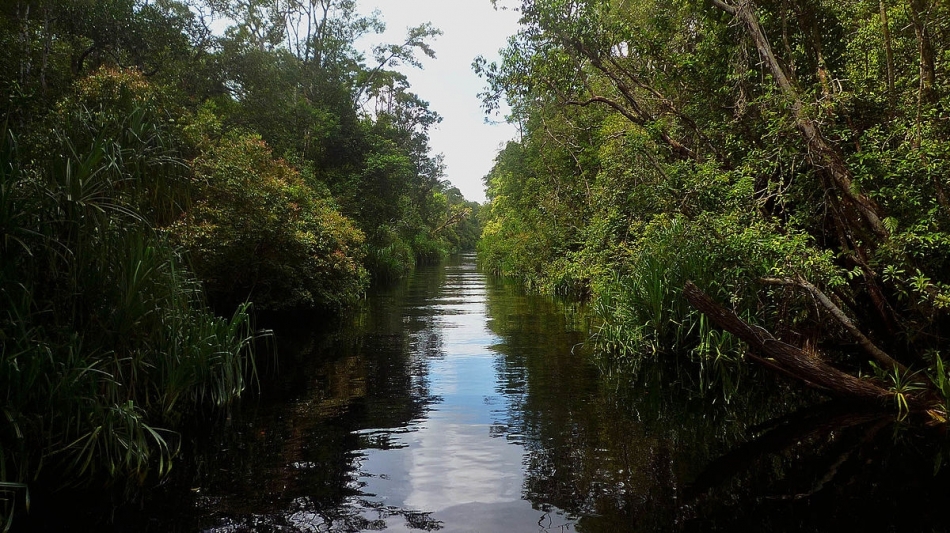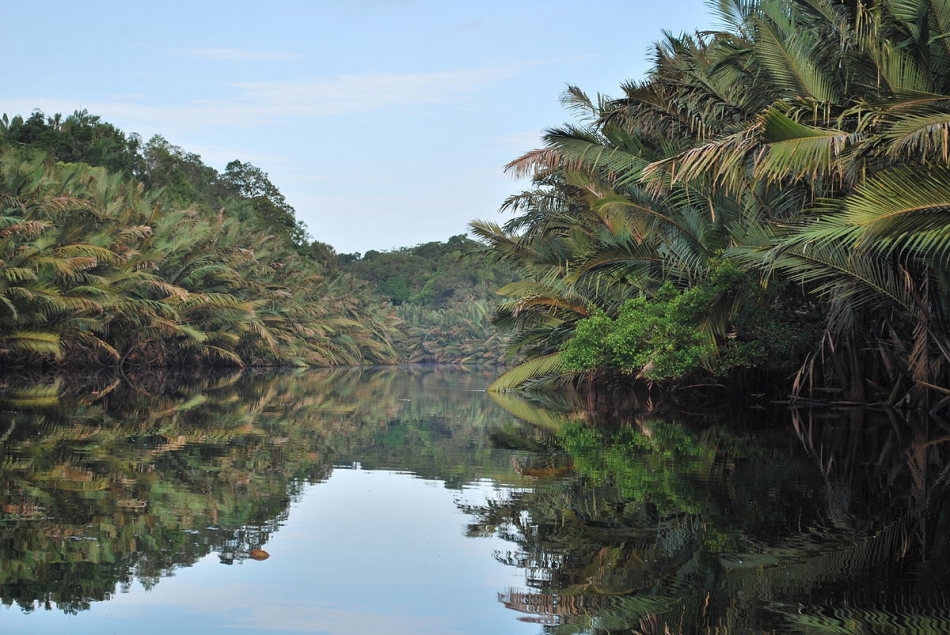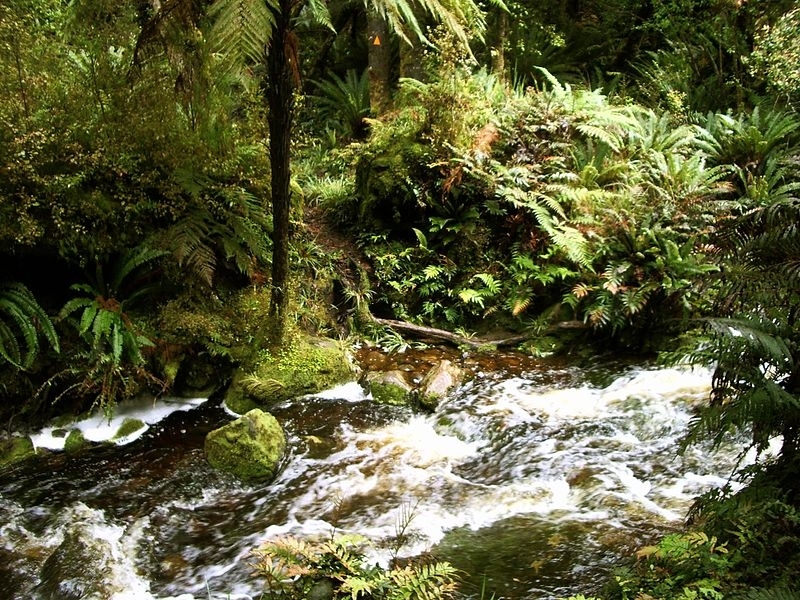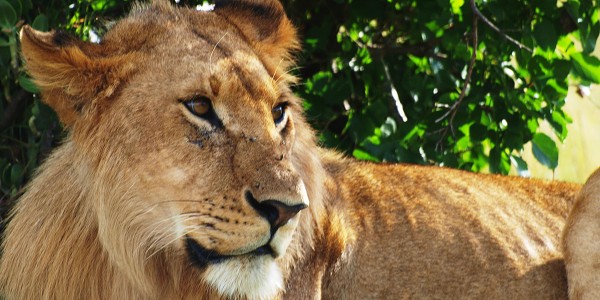
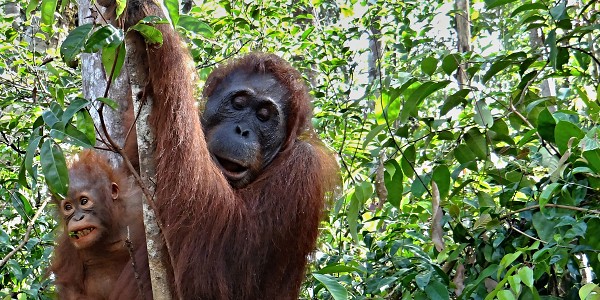
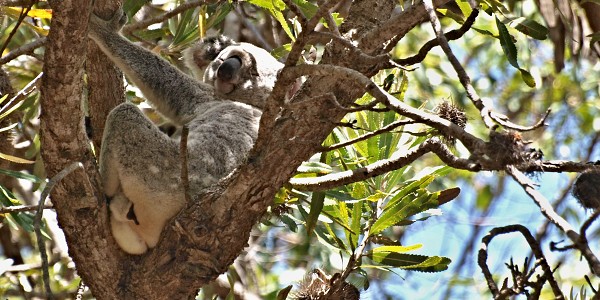
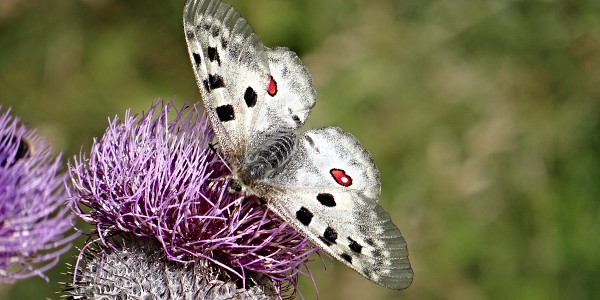
The highest biodiversity of fauna and flora species can be found in tropical rain forests. Large areas of troipcal rain forests are still remaining in three continents - Asia, Africa and especially South America. Many of these destinations are quite easy to visit.
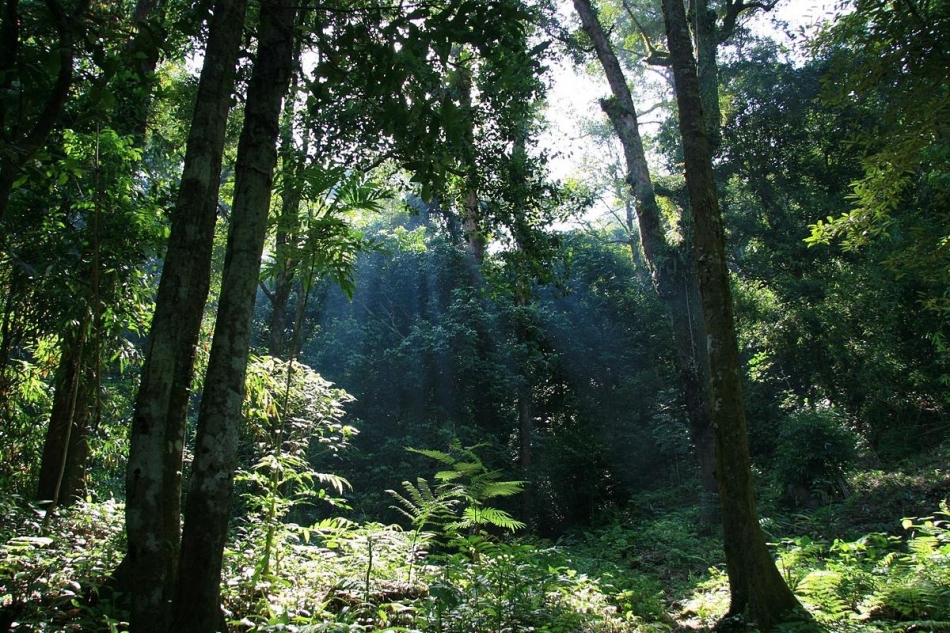
A Tropical rainforest is a tropic ecosystem and are usually found around the equator. They are common in Asia, Australia, Africa, South America, Central America, Southern Mexico and on many of the Pacific Islands. Within the World Wildlife Fund's biome classification, tropical rainforests are considered a type of tropical wet forest (or tropical moist broadleaf forest) and may also be referred to as lowland equatorial evergreen rainforest. Minimum normal annual rainfall between 1,750 millimetres (69 in) and 2,000 millimetres (79 in) occurs in this climate region. Mean monthly temperatures exceed 18 °C (64 °F) during all months of the year. Rainforests are home to half of all the living animal and plant species on the planet. Tropical rain forests are called the "world's largest pharmacy" because over one-quarter of modern medicines originate from its plants. The undergrowth in a rainforest is restricted in many areas by the lack of sunlight at ground level. This makes it possible for people and other animals to walk through the forest. If the leaf canopy is destroyed or thinned for any reason, the ground beneath is soon colonized by a dense tangled growth of vines, shrubs and small trees called a jungle.
The rainforests are a perfect home to more species or populations than all other biomes combined. 82% of the world's known biodiversity could be found in tropical rainforests. The leafy tops of tall trees - extending from 50 to 85 meters above the forest floor - forms an understory. Organic matter that falls to the forest floor quickly decomposes, and the nutrients are recycled.
Rainforests are characterized by high rainfall. This often results in poor soils due to leaching of soluble nutrients. Oxisols, infertile, and deeply weathered, have developed on the ancient Gondwanan shields. Rapid bacterial decay prevents the accumulation of humus. The concentration of iron and aluminium oxides by this laterization process gives the oxisols a bright red color and sometimes produces mineral deposits (e.g. bauxite). On younger substrates, especially of volcanic origin, tropical soils may be quite fertile, as are the soils of many seasonally flooded forests, which are annually replenished with fertile silt.
Tropical rain forests have been subjected to heavy logging and agricultural clearance throughout the 20th century, and the area covered by rainforests around the world is rapidly shrinking.
It has been estimated that many of new species of plants, insects, and microorganisms are still undiscovered and, as yet, unnamed by science. Rainforests are also often called the "Earth's lungs," however there is no scientific basis for such a claim as tropical rainforests are known to be essentially oxygen neutral, with little or no net oxygen production.
Tall, broad-leaved evergreen trees are the dominant plants, forming a leafy canopy over the forest floor. Taller trees, called emergents, may rise above the canopy. The upper portion of the canopy often supports a rich flora of epiphytes, including orchids, bromeliads, mosses, and lichens, who live attached to the branches of trees. The undergrowth or understory in a rain forest is often restricted by the lack of sunlight at ground level, and generally consists of shade-tolerant shrubs, herbs, ferns, small trees, and large woody vines which climb into the trees to capture sunlight. The relatively sparse under story vegetation makes it possible for people and other animals to walk through the forest. In deciduous and semi-deciduous forests, or forests where the canopy is disturbed for some reason, the ground beneath is soon colonized by a dense tangled growth of vines, shrubs and small trees called jungle.
The rainforest is divided into five different parts, each with different plants and animals, adapted for life in the particular area. These are: the floor layer, the shrub layer, the understory layer, the canopy layer and the emergent layer. Only the emergent layer is unique to tropical rainforests, while the others are also found in temperate rainforests.
The emergent layer contains a small number of very large trees which grow above the general canopy, reaching heights of 45-55 m, although on occasion a few species will grow to 70 m or 80 m tall. They need to be able to withstand the hot temperatures and strong winds. Eagles, butterflies, bats and certain monkeys inhabit this layer.
Canopy - This is the primary layer of the forest and forms a roof over the two remaining layers. Most canopy trees have smooth, oval leaves that come to a point. It's a maze of leaves and branches. Many animals live in this area since food is abundant. Those animals include: snakes, toucans and tree frogs.
Under canopy - Little sunshine reaches this area so the plants have to grow larger leaves to reach the sunlight. The plants in this area seldom grow to 12 feet. Many animals live here including jaguars, red-eyed tree frogs and leopards. There is a large concentration of insects here.
Shrub layer/forest floor - It's very dark down here. Almost no plants grow in this area, as a result. Since hardly any sun reaches the forest floor things begin to decay quickly. A leaf that might take one year to decompose in a regular climate will disappear in 6 weeks. Giant anteaters live in this layer.
Albatros Travel and Expeditions can provide you many trips directed into areas of tropical rain forests. These trips are usually easy. Even not trained people can take part in such journeys. There is a list of countries where tropical rain forests can be visited:
Indonesia - not only in western part of the country (Sumatra, Kalimantan, Sulawesi, Java) but also in the easternmost island of Irian Jaya.
Sri Lanka - only one national park in the south west
Ecuador - mostly in the eastern part of the country (east of Andes)
Tanzania - mostly at mountain foothills of the North and West